Understanding Payment Methods for Businesses: From QRIS and Virtual Accounts to Cards

Have you ever wanted to buy something but felt unsure because the available payment options were limited? In business, situations like this can make customers reconsider their purchase before completing a transaction.
That’s why offering a variety of payment methods can be one way to provide customers with a more convenient transaction experience.
Several payment methods are widely used by businesses, ranging from QRIS and virtual accounts (VA) to debit and credit cards. Each has its own features, functionality, and advantages.
If you own a business or are planning to start one, it’s important to understand which payment methods are right for your business. Let’s take a closer look!
What Is a Payment Method?
A payment method is the way customers pay for products or services. In digital transactions, examples include QRIS, virtual accounts (VA), debit cards, credit cards, and e-wallets.
Each payment method has its own characteristics. Some are convenient for in-store transactions, others are suitable for bill payments, while some support online transactions.
By offering the right payment methods, your business can give customers more options while helping transactions run smoothly.
3 Payment Methods Commonly Used by Businesses
Here are three payment methods you can consider to support your business transaction needs.
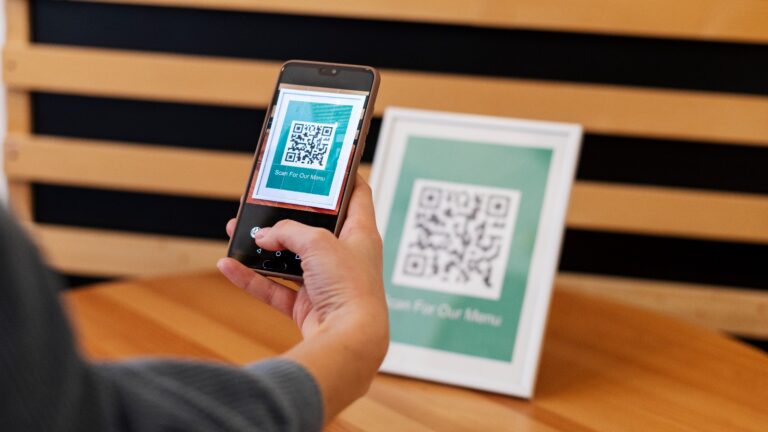
1. QRIS: Convenient Payments by Scanning a QR Code
QRIS (Quick Response Code Indonesian Standard) is a standardized QR code payment system that allows customers to make transactions using payment apps that support QRIS.
The process is simple. Customers only need to scan the QR code, check the payment amount, and confirm the transaction through their chosen payment app.
What are the advantages of QRIS for businesses?
- Convenient. Customers can pay using their smartphones.
- Flexible. Supports various compatible payment applications.
- Ideal for in-store transactions. A suitable option for MSMEs, restaurants, cafés, and retail stores.
QRIS is ideal for businesses looking to offer cashless payments through a convenient process.
Want to make it easier for your business to accept QRIS payments? Paylabs provides digital payment solutions that support transactions from various mobile banking apps and e-wallets compatible with QRIS.
2. Virtual Accounts: Transfers Using a Dedicated Payment Number
A virtual account (VA) is a virtual account number used to identify specific payments, such as orders or bills.
When customers choose a virtual account, the system provides a payment number they can use to transfer funds through supported banking channels. Once the payment has been processed, the transaction status is updated according to the service provider’s process.
What are the advantages of virtual accounts for businesses?
- Easier payment identification. Helps link payments to specific orders or bills.
- Simplified recordkeeping. Supports the process of matching payments with transactions.
- Suitable for online businesses. Can be used for e-commerce, invoice payments, and subscription services.
If your business handles a large number of orders or bills, virtual accounts can help you manage payments in a more structured way.
3. Debit and Credit Cards: Flexible for Online and Offline Transactions
Debit and credit cards are also widely used payment options for various transaction needs.
Debit cards generally use funds available in a bank account, while credit cards use a credit facility provided by the card issuer, subject to the applicable terms and conditions.
Card payments can be made through payment terminals in physical stores or online checkout pages that support card transactions.
What are the advantages of card payments for businesses?
- Support online and offline transactions. Depending on the available payment facilities.
- Give customers more options. Customers can pay using the cards they already own.
- Flexible for different types of businesses. Suitable for retail stores and digital businesses alike.
Before choosing a card payment service, make sure you understand the transaction fees, supported card networks, and data security requirements.
What Are the Differences Between QRIS, Virtual Accounts, and Cards?
To make the differences easier to understand, here’s a comparison of these three payment methods.
| Aspect | QRIS | Virtual Account | Debit and Credit Cards |
|---|---|---|---|
| Payment method | Scan a QR code | Transfer using a VA number | Pay using a card |
| Usage | QR-based transactions | Order and bill payments | Online and offline transactions |
| Key advantage | Convenient and flexible | Helps identify payments | Supports a variety of transaction needs |
Each method serves a different purpose. Therefore, choose payment methods based on your customers’ preferences, business type, and operational requirements.
Tips for Choosing the Right Payment Methods for Your Business
Before deciding which payment methods to offer, there are several factors you should consider.
1. Understand Your Customers’ Payment Preferences
Find out which payment methods your customers use most frequently. This will help you offer options that better match their needs.
2. Choose Methods That Suit Your Business Type
If your business has a physical store, QRIS and card payments are worth considering. Meanwhile, online businesses can offer virtual accounts and online card payments, depending on the systems they use.
3. Consider How Easily You Can Manage Transactions
If your business handles a high volume of transactions, choose a payment solution that supports transaction status monitoring and integration with your business systems.
You should also consider transaction fees, security, and the availability of technical support to ensure that the solution meets your operational needs.
Make Business Payments Easier with Paylabs!
Paylabs offers 50+ payment methods within one ecosystem, giving your business more options to accommodate both online and offline transactions.
To support your operations, Paylabs also provides:
- Real-Time Monitoring Dashboard to track transaction statuses and histories.
- 24/7 Paylabs Care to assist merchants whenever they need support.
- API Integration to connect payment services with your business systems.
- Security support aligned with ISO/IEC 27001 and PCI DSS standards, as stated in Paylabs’ product materials.
Ready to choose the right payment solution for your business?
Get started with Paylabs through Paylabs Merchant Registration, or discuss your business needs via WhatsApp Paylabs.