How to Register a Free Indonesian QR Code for Your Small Business

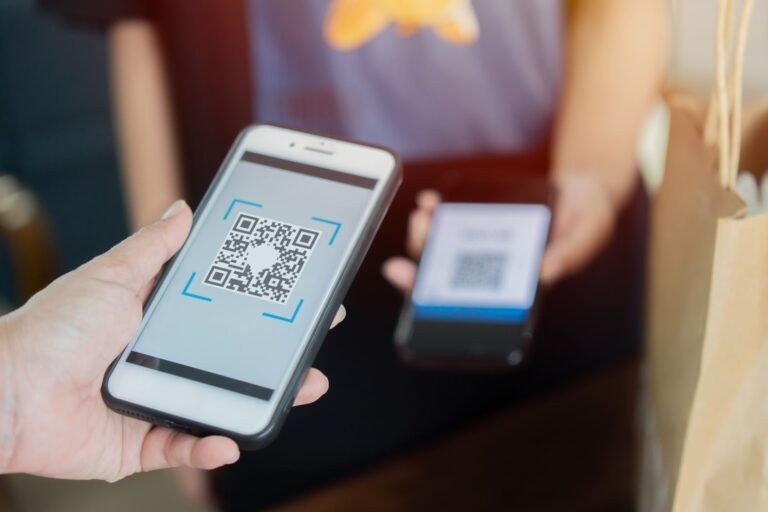
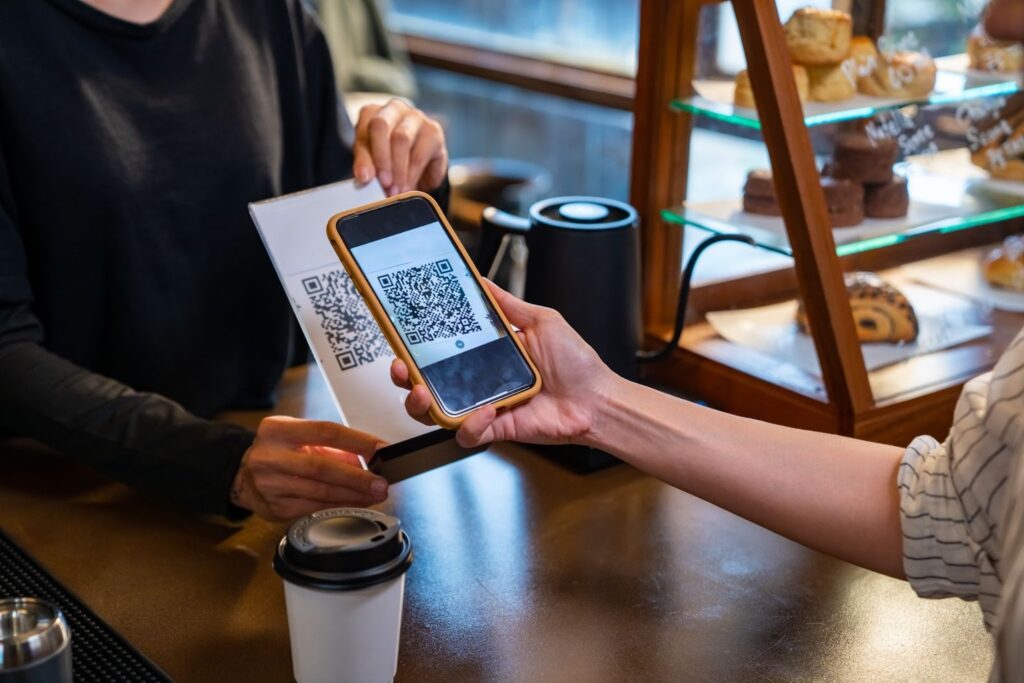
Have you ever walked into a small coffee shop and noticed there’s only one QR code on the counter, but you can use it to pay with QR through OVO, GoPay, DANA, LinkAja, or even mobile banking apps? That single QR is called the Quick Response Code Indonesian Standard or QRIS all payment, a unified QR code that accepts all digital payment methods. It makes every transaction faster, simpler, and more efficient.
The good news is that anyone can now have their own QRIS. You don’t need to run a big store or an established company. Micro, small, and medium enterprises (MSMEs), online sellers, and even home-based entrepreneurs can register and start receiving digital payments through QRIS. What’s even better, there is now an easy way to register QRIS for free, meaning you can get started without any upfront cost.
If you’re new to this system or unsure how to start, this article will guide you through everything you need to know about what QRIS is, why it matters for your business, and how to create a QR code that accepts all payments.
What is QRIS and how does it work?
Quick Response Code Indonesian Standard or QRIS is a QR-based payment system developed by Bank Indonesia (BI) in collaboration with the Indonesian Payment System Association (ASPI). The goal is to unify all QR-based payment systems under one national standard so that they work seamlessly across different banks and e-wallets.
With QRIS, customers can pay with QR from any application they use. For example, one customer might use GoPay, another uses DANA, and another pays through BCA Mobile. All of them can scan the same QR code to complete their payment. This is the concept of “all payment,” which makes transactions simpler and faster.
The process is easy. Customers open their digital wallet or mobile banking app, select “Pay with QR,” scan your QRIS code, and the system automatically detects the payment provider, processes the transaction securely, and sends confirmation to you as the merchant.
Why your business should use QRIS?
People’s habits in making payments have changed drastically in recent years. Data from Bank Indonesia shows that there are now more than 43 million merchants across Indonesia using QRIS by the end of 2024. This number has increased significantly compared to previous years and is dominated by the MSME sector, with around 92 percent of QRIS users coming from micro and small business owners.
This trend shows that people are becoming more accustomed to paying with QRIS because it is faster, more practical, and safer. There is no need to look for exact change, carry a thick wallet, or wait for small cash back. Simply open your e-wallet or mobile banking app, scan the QR code, and the transaction is completed within seconds.
For business owners, QRIS is not just a technology trend but an important part of the strategy to make operations more efficient and modern. By offering QRIS-based payment options, you can:
- Reach more customers, especially younger generations and urban workers who are already familiar with digital payment systems.
- Reduce the risk of losing cash since all transactions are automatically recorded in the banking system or the QRIS provider’s dashboard.
- Increase transaction speed, making queues shorter and customers more satisfied.
- Improve financial recording because every transaction is stored in real time and can be monitored anytime.
According to the 2024 report by Bank Indonesia, the total volume of QRIS transactions throughout the year reached more than 3.9 billion transactions with a total value of approximately IDR 490 trillion. This surge indicates that digital payments through QRIS have become a part of people’s daily lifestyle rather than just an alternative method.
In other words, QRIS is not only a practical payment tool but also proof that your business is ready to compete in the digital era. The sooner you adopt this system, the greater your opportunity to reach new customers and strengthen your business position in today’s fast-paced market.
Types of QRIS available in Indonesia
Before learning how to create QRIS, it is important to know that QRIS comes in several types depending on your business needs. Each type functions slightly differently but follows the same national standard set by Bank Indonesia.
- Static QRIS
A Static QRIS is a payment method that uses a fixed or static QR code, meaning that the payment amount must be entered manually by the customer. For example, after scanning the QR code, customers need to type in the total amount on their e-wallet application before clicking the pay button. This type is suitable for businesses with simple transactions that do not require a digital cashier or point-of-sale (POS) system. Static QRIS is commonly used by micro businesses such as food stalls, coffee stands, or street vendors to make it easier for customers to pay with QRIS without the need for complex tools. - Dynamic QRIS
The Dynamic QRIS is generally used by medium to large-scale businesses, such as restaurants, minimarkets, and retail stores. The QR code in this system is automatically generated through a cashier or POS system and instantly displays the exact payment amount that the customer needs to pay.
With Dynamic QRIS, customers do not need to manually enter the payment amount. They simply scan and pay. This system minimizes input errors and significantly speeds up the payment process, providing a smoother and faster experience for both customers and merchants. - QRIS Tuntas
In 2023 and 2024, Bank Indonesia introduced an innovation called QRIS Tuntas, which stands for Transfer, Cash Withdrawal, and Cash Deposit using QRIS. This feature expands the function of QRIS beyond payments. Now, users can also make interbank transfers, withdraw cash, and deposit money using the same QR code.
In other words, QRIS Tuntas enhances the role of QRIS from being merely a payment tool to becoming a more comprehensive and efficient financial transaction system. It helps users perform a wider range of banking activities in a single, unified ecosystem. - QRIS All Payment
As the latest development of the existing QRIS system, QRIS All Payment is universal and allows merchants to receive payments from various digital wallets and mobile banking applications using a single QR code.
While a regular QRIS is often linked to one payment provider, QRIS All Payment integrates multiple providers into one system. This means that you no longer need to display multiple QR codes on your cashier’s desk, and customers no longer have to ask, “Which app can I use to pay?”
In addition to being more convenient, QRIS All Payment also simplifies recordkeeping because all transactions are automatically recorded in a single dashboard. This type is ideal for business owners who want to appear professional, efficient, and customer-friendly.
By understanding the different types of QRIS above, you as a business owner can choose the one that best fits your business needs. Now that you know the types, let’s continue to the next step: a complete guide on how to create QRIS all payment so your business can accept payments from all digital applications using just one QR code.
How to register QRIS all payment for free
Today, there are many payment gateway providers that offer easy ways on how to register QRIS for free, including Paylabs, a modern payment gateway designed specifically to support the digital transformation of small and medium-sized businesses (SMEs) in Indonesia.
With Paylabs, you can create a QRIS all payment account for free, quickly, and entirely online. The registration process is simple: just fill in your business details, upload the required documents, and once the verification process is complete, your QR code will be activated immediately. After that, customers can pay with QR through various digital platforms such as OVO, GoPay, DANA, ShopeePay, LinkAja, and even mobile banking apps, all using one single QR code.
In addition, Paylabs provides an integrated analytics dashboard that allows you to monitor every transaction in real time, complete with sales reports and performance charts. This feature helps business owners understand customer behavior, identify transaction patterns, and manage cash flow more efficiently.
Like other QRIS providers, Paylabs applies a small transaction fee known as the Merchant Discount Rate (MDR) as regulated by Bank Indonesia, typically ranging from 0.3 to 0.7 percent, depending on the business category. There are no monthly fees, no complicated requirements, and everything is completely transparent. Besides Paylabs, here are several other platforms that also provide free QRIS registration options you may consider:
- DANA Business, which offers free registration through the DANA app, suitable for small shops and kiosks.
- ShopeePay Merchant, where you can register via the Shopee Partner app, verify your business data, and receive your QRIS digitally.
- GoPay Merchant (GoBiz), an ideal choice for food and service businesses operating within the Gojek ecosystem.
- Flip for Business and Xendit, which are suitable for online stores that require more detailed transaction reporting.
However, if you are looking for a flexible, integrated, and easy-to-manage digital payment solution, Paylabs stands out as one of the best options. Through one platform, you can accept payments from multiple sources, both online and offline, without the hassle of managing different systems. With QRIS all payment from Paylabs, your business will appear more professional, efficient, and ready to compete in today’s fast-paced digital era.
Register now with Paylabs and start accepting all digital payments with a single QR code today. It is a simple step to make your business more modern, secure, and trusted by customers. You can also check our related article titled “How to Pay with QR: A Complete Guide for Quick and Secure Transactions.”